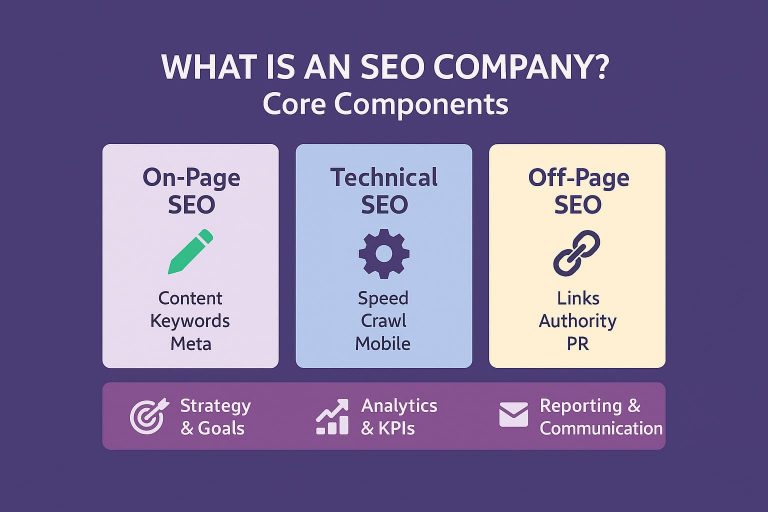
Education SEO isn’t just about ranking higher on search engines – it’s a tailored strategy to connect schools with their target audience. Think of it as a digital recruiter: instead of casting wide nets, you’re strategically placing hooks where prospective students are already biting. While general SEO might focus on broad traffic, education-specific tactics zero in on enrollment cycles, niche program queries, and the layered decision-making processes of families or adult learners.
Here’s the twist: effective search engine optimization for schools isn’t a one-size-fits-all game. For example, optimizing for “best nursing schools near me” requires different SEO strategies than a general term like “online degrees.” Why? Because students use search engines to compare programs. Miss those relevant keywords, and you’re invisible to your potential students.
How Education SEO Differs From General SEO
- Seasonal Timing:
- Enrollment peaks (January for grad programs, fall for undergrads) demand timed content updates.
- Decision Committees: Content must address parents, students, and counselors – not just one user experience.
- Complex Offerings: A university might have 100+ programs. Optimizing each page for target keywords like “MBA programs in Chicago” requires granularity.
General SEO might chase traffic volume, but education SEO prioritizes qualified leads. After all, what’s the point of ranking #1 for “study tips” if it doesn’t attract prospective students?
Key Platforms for Education SEO Success
To help search engines understand your institution’s value, focus on these high-impact platforms:
- Search Engines
- : Google & Bing handle 95% of education-related searches. Optimize program pages for queries like “animation degree programs” or “affordable cybersecurity certifications.”
- College Ranking Sites: Profiles on U.S. News & World Report and Princeton Review can make or break reputations. Update stats annually – outdated tuition costs hurt SEO rankings.
- Education Directories:College Navigator (2.1M monthly users) and Peterson’s are goldmines for vocational or arts schools.
- Student Reviews: A single 1-star review on Niche or RateMyProfessors can tank interest. Manage these like your website’s performance depends on it – because it does.
- Discovery Tools: Over 1,000 colleges use Common App. Optimizing your profile here puts you directly in front of 1.2M+ applicants yearly.
Why Education SEO Isn’t a “Set and Forget” Strategy
Creating quality content is just step one. SEO for education is an ongoing process – algorithm updates, shifting keyword trends, and new competitors demand constant tweaks. For instance, Google’s 2024 E-E-A-T update now prioritizes expertise in academic content. Schools that fail to incorporate relevant keywords naturally (e.g., “hands-on engineering labs” vs. generic “great engineering program”) risk dropping in search results.
Bottom line? If your web pages aren’t speaking the language of today’s students, you’re not just missing clicks – you’re missing enrollments.