



 550
550 


Imagine struggling with content that ranks well but fails to convert, while competitors with seemingly inferior content capture your audience. An e – commerce company faced this exact challenge until they implemented AI for content optimization in early 2024 – their organic traffic jumped 47% in three months. The transformation wasn’t magic – it was machine learning analyzing patterns across thousands of data points that no human team could process manually.
This guide breaks down exactly how AI – powered optimization works, which tools deliver real results, and how to implement strategies that move metrics beyond vanity numbers. 88% of marketers now use AI daily and achieve average ROI of 300%, making this approach essential for competitive performance. Readers will discover practical techniques tested across multiple industries, honest tool comparisons based on hands – on experience, and implementation frameworks deployable this week.

- What is AI Content Optimization?
- The Evolution of Content Optimization
- Key Benefits of AI – Powered Content Optimization
- Essential AI Content Optimization Techniques
- Web Content Optimization Using AI
- Comparing Popular AI Content Optimization Tools
- Content Optimization Checklist for AI Implementation
- Balancing AI and Human Input
- Common Pitfalls to Avoid
- Future Trends in AI Content Optimization
- Conclusion: Implementing Your AI – Powered Content Strategy
- Frequently Asked Questions
What is AI Content Optimization?
AI for content optimization is the strategic application of artificial intelligence technologies – including machine learning, natural language processing, and automated analysis – to enhance quality, relevance, and performance across digital channels. Unlike traditional methods relying on manual keyword research and periodic updates, this approach analyzes patterns, semantic relationships, and user signals at scale beyond human capability.
Core components include:
- Machine learning analysis that powers the entire optimization process by identifying performance patterns across thousands of pages, predicting which topics and structures will resonate with audiences through continuous learning from user interactions
- Natural language processing (NLP) – understands context and intent behind search queries, enabling semantic optimization beyond exact keyword matching through entity extraction and sentiment analysis
- Automated enhancement tools – continuously monitor performance and suggest real – time improvements based on competitive analysis and user behavior signals
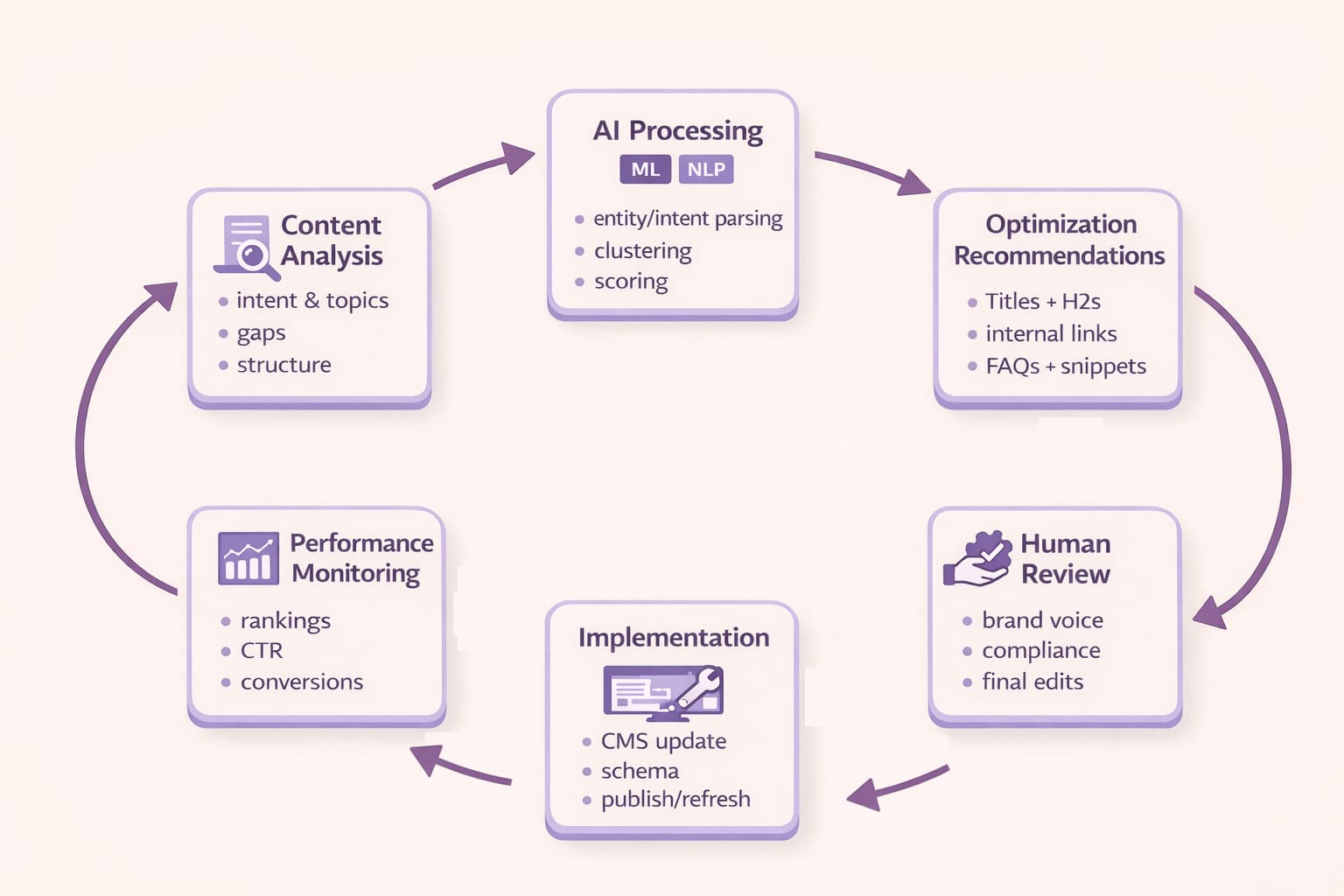
AI for content optimization leverages machine learning to process 100+ ranking factors simultaneously while tracking how top – performing pages evolve – something impossible for human teams managing dozens of pieces. Marketing teams adopting these tools in 2020 saw immediate results as platforms like Surfer SEO and Clearscope revealed semantic gaps that manual analysis had missed.
The scalability advantage is where this approach truly differentiates itself. A team of five can optimize volume that would traditionally require fifteen people, maintaining consistency across platforms while adapting to algorithm updates in real – time through intelligent adaptation capabilities.
The Evolution of Content Optimization
Optimization has transformed dramatically over two decades. Early 2000s keyword density tactics gave way to quality – focused approaches as search engines evolved.
Key algorithm milestones:
- Panda (2011) – penalized low – quality material, forcing focus on value over volume
- Penguin (2012) – targeted manipulative link building
- Hummingbird (2013) – introduced semantic search capabilities
- BERT (2019) – enabled AI – powered context and intent understanding
- MUM (2021) – advanced multi – modal understanding across languages and formats
A SaaS company’s journey illustrates this evolution: in 2019, traditional methods – manual keyword research, spreadsheet competitor analysis, intuition – based structure decisions – delivered decent but unpredictable results. Fast forward to 2023, and AI – powered semantic optimization for a similar client identified 23 untapped keyword opportunities in adjacent topic clusters that manual analysis had missed. Traffic increased 47% in three months.
Today’s optimization operates in an AI – first environment where 19% of marketers plan to add AI search optimization to their SEO strategy in 2025. The shift from manual to machine – driven approaches isn’t optional – it’s the baseline for competitive performance – focused results.
Key Benefits of AI – Powered Content Optimization
AI – powered approaches deliver three transformative benefits that directly impact business outcomes. These aren’t theoretical advantages – they’re documented results from real implementations across multiple industries focused on measurable performance metrics. AI adoption in marketing is growing rapidly, with 69% of marketers already integrating AI into their strategies in 2024, up from 61% in 2023.
Enhanced Search Visibility and Rankings
Optimization improves search rankings through sophisticated analysis of ranking factors that manual processes can’t efficiently track. When implemented correctly, businesses see measurable improvements within weeks rather than months.
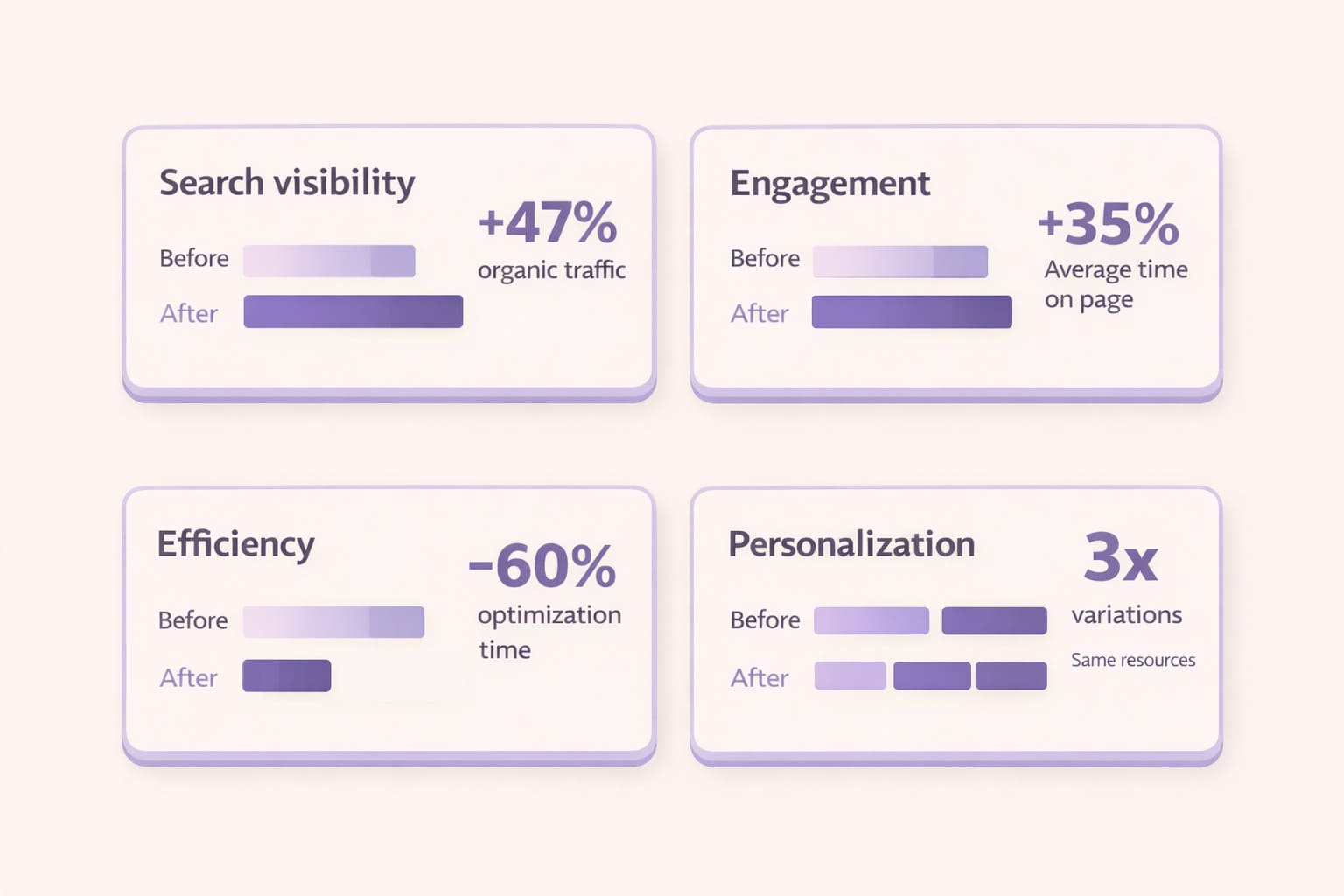
A fintech client achieved 52% organic traffic growth after implementing AI – driven semantic approaches. The attribution methodology isolated impact by comparing performance metrics before and after implementation while controlling for seasonality and other marketing activities. Within three months, they ranked for 15 competitive terms where they previously weren’t visible.
The key differentiator is search intent matching. Tools analyze how search engines interpret queries and what characteristics satisfy that intent. According to research from Position Digital, material updated in the past three months averages 6 citations in AI – generated responses versus 3.6 for outdated material – optimization helps maintain that competitive freshness at scale.
Content Personalization at Scale
Machine learning enables personalization previously impossible without massive teams. Algorithms segment audiences based on behavior patterns, then adapt variations without creating entirely separate pieces for each segment.
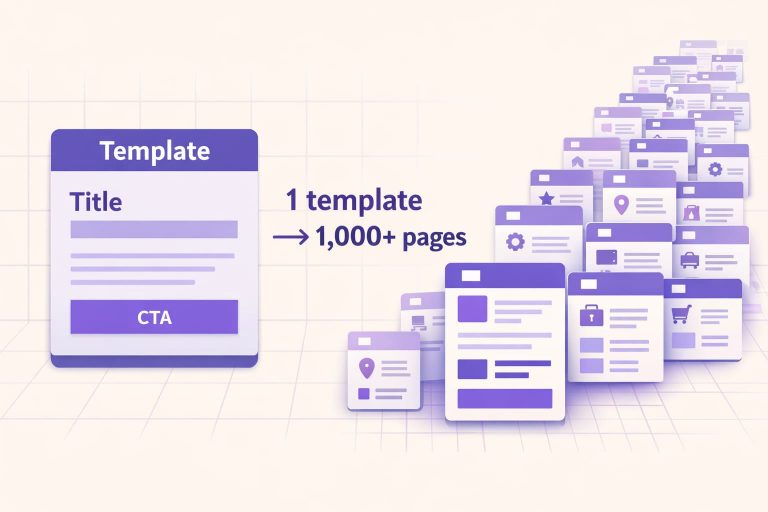
A healthcare client used AI – powered personalization to create location – specific variations of their service pages. Instead of manually writing 50 unique pages, they created one comprehensive base with intelligent adaptation handling geographic customization, local search intent optimization, and culturally relevant examples. Engagement metrics improved 35% as measured by average time on page and scroll depth.
The efficiency gains are remarkable. Teams produce 3x variations with the same resources through segmentation and automated adaptation, while maintaining brand voice consistency through human oversight at critical touchpoints.
Efficiency and Resource Optimization
52% of marketers report that usage improved their efficiency and speed in tasks. This translates into quantifiable time savings that redirect resources toward strategic activities. According to comprehensive industry research, 83% of marketers using AI report increased productivity, with tools saving an average of 5+ hours every week.
One enterprise client reduced time by 60% after implementing these tools. Their team reallocated 15 hours weekly from manual tasks to high – value strategic work like planning and creative direction.
The quality improvements compound over time as algorithms identify subtle patterns in what drives engagement, bounce rates, and conversions across thousands of pieces and user interactions.
Essential AI Content Optimization Techniques
These six techniques form the core methodology for AI – powered approaches. Each has been tested across multiple client implementations with documented results.
Data – Driven Content Strategy
Algorithms analyze performance data across platforms – website analytics, social engagement, search rankings, conversion metrics – identifying patterns that inform strategic decisions. This goes beyond “what performed well” to understanding why certain material succeeds.
A B2B software client struggling with inconsistent performance benefited from analysis that identified an underperforming cluster around integration capabilities cannibalizing traffic from primary product pages. After restructuring based on AI recommendations, engagement improved 28% and conversion rates increased 12%.
The key is letting machine learning reveal patterns humans miss in large datasets, tracking hundreds of variables simultaneously – time of day, device type, referral source, length, semantic density.
Data – Driven Keyword Strategy
AI – powered keyword research goes beyond simple search volume metrics. Modern tools analyze semantic clusters, search intent variations, and topic relationships that integrate with broader semantic SEO strategies, uncovering opportunities traditional methods miss.
AI – driven platforms identify which keywords consistently rank together on the same pages through topic clustering and relationship mapping, indicating they should be grouped under one theme. This approach supports topical authority more effectively than targeting individual keywords in isolation.
For a legal services client, semantic analysis uncovered 18 long – tail keyword opportunities in adjacent practice areas. These keywords had lower competition but high commercial intent, resulting in qualified lead increases of 31% within four months.
Content Structure and Readability Enhancement
Algorithms analyze structure systematically, identifying improvements that increase engagement metrics. The five – step framework includes readability score analysis, sentence structure complexity identification, paragraph length optimization, heading hierarchy improvement, and visual element placement recommendations based on user attention patterns.
One implementation reduced bounce rate by 24% and increased dwell time by 42 seconds through AI – guided restructuring. The analysis identified that paragraphs exceeding 5 lines consistently correlated with higher bounce rates, while strategic H3 subheadings every 150 – 200 words improved scroll depth.
Semantic Optimization and Entity Recognition
Entity – based SEO integrates with broader AI strategies to identify related concepts, people, places, and topics that search engines associate with your main theme. This builds comprehensive topical coverage signaling expertise to search algorithms and supporting topical authority through relationship mapping.
Research from NeuronWriter demonstrates that NLP – optimized material with proper entity recognition gained 800 extra clicks and significantly increased impressions over three months.
For a technology consulting client, entity strategies improved rankings for 15 competitive terms, establishing authority in cloud infrastructure within four months. The key was comprehensive entity coverage – mapping relationships between technologies, platforms, and implementation methodologies.
Multilingual and Translation Optimization
Intelligent adaptation enables efficient optimization across languages while maintaining quality and cultural relevance. Neural network translation goes beyond word – for – word conversion to understand context, idioms, and local search intent variations.
An international e – commerce client expanded into five European markets using AI – powered localization. The system maintained 90% quality scores while reducing translation and optimization time by 40%, adapting not just language but also cultural references and local search patterns through dynamic adaptation.
Dynamic Content Adaptation
Real – time adaptation uses algorithms to continuously optimize based on performance signals. Rather than periodic manual updates, monitoring systems trigger optimization suggestions when performance metrics shift or algorithm updates occur, enabling intelligent adaptation at scale.
One implementation maintained top – 3 rankings through a major algorithm update by implementing 17 AI – recommended adjustments in real – time. The system monitored ranking fluctuations, analyzed competitors’ responses, and suggested specific modifications that preserved visibility while competitors’ rankings dropped.
Web Content Optimization Using AI
Applying optimization to website material follows a systematic approach covering both new creation and existing improvement. The AI – powered web audit process identifies underperforming pages through automated analysis of 100+ ranking factors.
For one client, analysis identified 12 underperforming pages generating impressions but low click – through rates. Optimization focused on seven critical elements: title tag optimization for improved CTR, meta description persuasiveness with keyword integration, H1 – H6 hierarchy establishing semantic structure, comprehensiveness ensuring entity coverage, internal linking semantic relevance, image optimization with descriptive alt text, and call – to – action clarity at optimal scroll depth.
The result? Average conversion rate improved 31% across those 12 pages within two months. The analysis identified specific patterns – questions users asked before converting, semantic terms correlating with longer sessions, heading structures that improved mobile readability.
Comparing Popular AI Content Optimization Tools
After hands – on testing across multiple client projects, here’s an honest assessment of leading platforms:
- Surfer SEO ($79 – $999/mo) excels at on – page optimization with real – time editor and NLP term suggestions. Best for teams needing immediate optimization feedback. Limitations: learning curve for advanced features.
- Clearscope ($129 – $399/mo) delivers superior comprehensiveness with grade – based optimization and Google Docs integration. Ideal for editorial teams prioritizing quality. Limitations: higher price point.
- Frase ($115 – $349/mo) specializes in question – based material and answer engine optimization. Perfect for FAQ – heavy strategies and small budgets.
- MarketMuse ($99 – $499/mo) dominates topical authority building and gap analysis. Enterprise teams benefit from comprehensive inventory management. Limitations: steeper learning curve.
- ChatGPT Plus ($20/mo) offers versatile generation and idea brainstorming. Excellent for first drafts. Limitations: requires significant human editing.
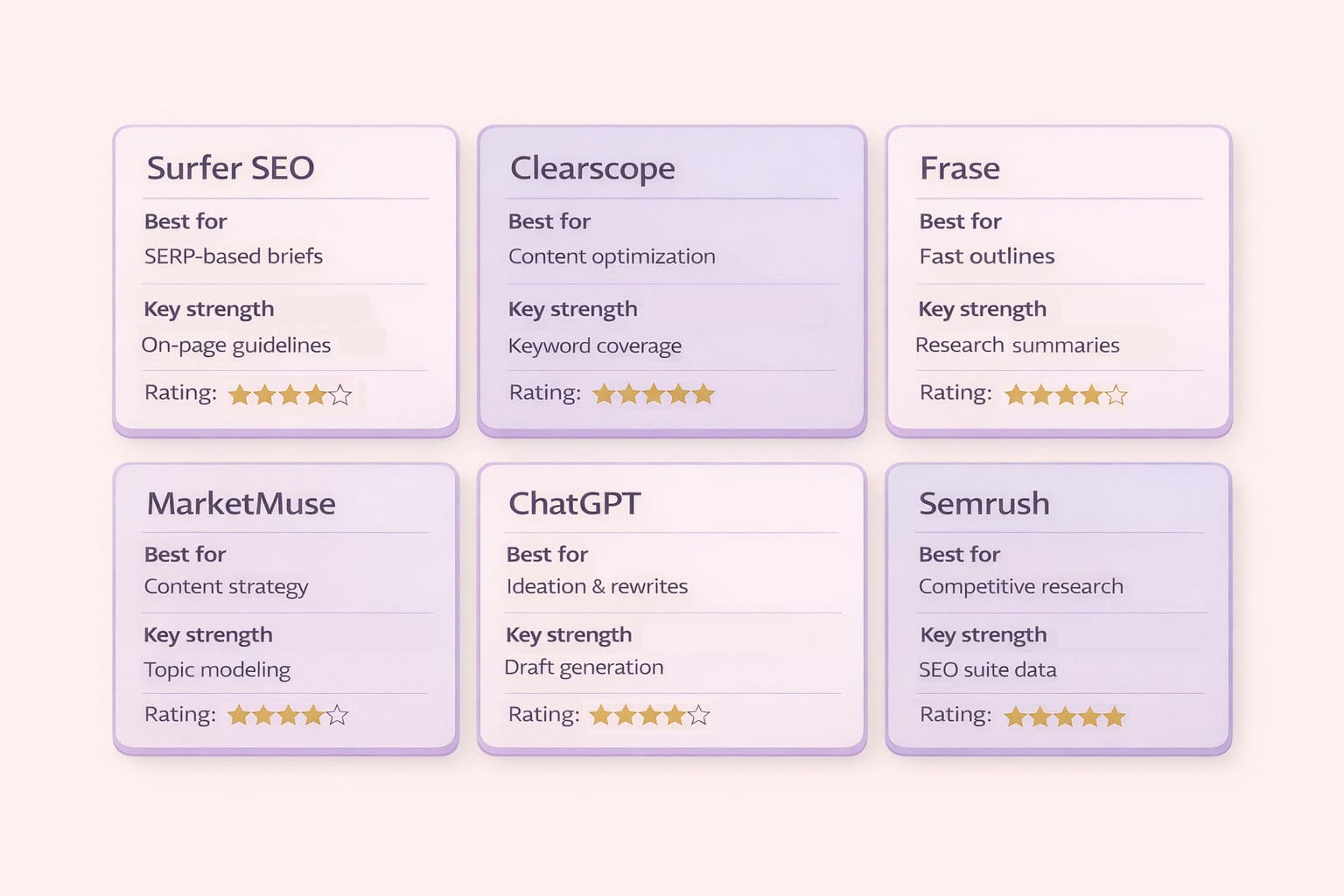
For enterprise topical authority, MarketMuse delivers comprehensive analysis. For SMB budget efficiency, combine Frase with ChatGPT Plus for powerful results under $75 monthly.
Content Optimization Checklist for AI Implementation
This 10 – point checklist guides effective implementation:
- Audit current performance identifying optimization opportunities
- Select tools aligned with goals and budget avoiding feature bloat
- Establish baseline metrics for accurate comparison
- Train team on capabilities and limitations preventing misuse
- Implement data – driven keyword strategy using semantic analysis
- Apply semantic optimization ensuring comprehensive entity coverage
- Enhance structure following readability recommendations
- Set up dynamic adaptation monitoring for continuous optimization
- Establish human review protocols maintaining brand voice
- Track ROI and iterate measuring specific outcomes, not activity
Each step requires 1 – 4 weeks depending on team size and volume. The critical success factor? Treating algorithms as assistants that augment human expertise rather than replacements.
Balancing AI and Human Input
The most successful optimization maintains strategic human oversight. The optimal philosophy: algorithms excel at data analysis, pattern recognition, and scalability – humans excel at creative direction, brand voice, and ethical judgment. Industry data confirms that 93% of marketers review and edit AI – generated material before publishing, recognizing the critical importance of human oversight.
One cautionary example: A client over – automated production, letting algorithms generate and publish with minimal review. Brand v
oice inconsistency appeared in 40% of material within three months. Implementation of a 3 – stage human review – strategic review, brand voice check, final quality approval – reduced inconsistencies to under 5%.
- AI handles: Data analysis, pattern recognition, keyword research, semantic optimization, readability scoring, structure suggestions
- Humans handle: Brand voice enforcement, creative direction, strategic decision – making, emotional resonance, ethical considerations, final quality approval
This division leverages each strength while preventing weaknesses from undermining results. AI requires human oversight to maintain authenticity and strategic alignment.
Common Pitfalls to Avoid
Four specific mistakes derail implementations. Each follows a systematic pattern to help identify and correct issues.
1. Over – optimization and Keyword Stuffing
- What it looks like: Excessive keyword density creates unnatural phrasing that sacrifices readability. Pages sound robotic with forced keyword insertion.
- Why it happens: Teams misunderstand AI recommendations as absolute rules rather than guidance, blindly following optimization scores without considering user experience.
- How to identify: Readability scores drop below 60, bounce rates increase by 15%+, users describe material as “awkward” or “repetitive.”
- How to correct: Prioritize natural language over keyword targets, use semantic variations and synonyms, focus on user experience first.
2. Ignoring Brand Voice and Authenticity
- What it looks like: Generic, interchangeable material lacking distinctive personality or unique perspective. Reads like every competitor’s website.
- Why it happens: Over – reliance on AI – generated material without human refinement strips away brand – specific language patterns and tone.
- How to identify: Voice lacks distinctiveness, customer feedback mentions blandness, engagement metrics plateau despite traffic growth.
- How to correct: Establish brand voice guidelines with specific examples, implement human editorial review for every piece. A brand voice audit revealed 35% inconsistency; human review process restored consistency to 92% within two months.
3. Neglecting Human Oversight
- What it looks like: Factual inaccuracies slip through, outdated information persists, contextual errors damage credibility.
- Why it happens: Publishing AI output without verification, trusting algorithms completely without fact – checking protocols.
- How to identify: Fact – checking errors appear, customer complaints about accuracy increase, credibility issues emerge in user feedback.
- How to correct: Mandate human review process with fact – checking protocols, require subject matter expert validation before publication. Implemented 2 – stage review reducing factual errors from 12% to under 2%.
4. Tool Dependency Without Strategy
- What it looks like: Using multiple tools without clear objectives or workflow integration. Team confused by conflicting recommendations from different platforms.
- Why it happens: Acquiring tools without strategic planning, chasing features rather than defining needs first.
- How to identify: Redundant workflows waste time, conflicting recommendations paralyze decision – making, team members work in silos with different tools.
- How to correct: Define clear objectives before selecting tools, choose platforms strategically based on specific needs, create integrated workflow documentation.
Ethical Considerations and Challenges
AI – powered approaches raise important ethical considerations requiring proactive management.
- AI bias from training data can affect recommendations – mitigation requires diverse data sources and human verification.
- Transparency demands appropriate disclosure of assistance.
- Data privacy in personalization requires GDPR compliance and user consent.
- Plagiarism prevention ensures originality through detection tools and proper attribution.
Implement this ethical checklist for every project: verify recommendations against brand values, ensure originality, disclose assistance where appropriate, protect user data, review for bias, maintain human accountability for published material.
Future Trends in AI Content Optimization
The future extends beyond traditional search engines into AI – powered search experiences. Research from McKinsey reveals that 44% of AI – powered search users consider it their primary source, surpassing traditional search at 31%. By 2028, $750 billion in US revenue will funnel through AI – powered search. The AI marketing market is valued at $47.32 billion in 2025 and expected to reach $107.5 billion by 2028, representing a compound annual growth rate of 36.6%.
Predictive Performance uses algorithms to forecast success before publication. Current testing with clients shows 73% accuracy in forecasting, enabling resource allocation toward high – potential material.
Generative Engine Optimization (GEO) represents the next frontier. As AI – powered search engines like ChatGPT, Google SGE, and Perplexity reshape discovery, material must be optimized for citation rather than just ranking. Research from Princeton demonstrates that GEO can boost visibility by up to 40% in generative engine responses. Lead Craft’s Generative Engine Optimization services help businesses adapt structure for AI comprehension, ensuring visibility in AI – generated responses. Early adopters report GEO – ready material is discovered up to 10× faster by generative engines compared to relying on traditional SEO alone, with qualified leads increasing 27 – 40%.
Additional emerging trends include voice search optimization requiring conversational adaptation, visual intelligence automating image and video optimization, and real – time personalization enabling dynamic adjustment based on individual user behavior.
We also covered related topics that may be useful to you:
- What Is AI Mode and How Does It Work?
- The Search Evolution: Preparing for AI-First Discovery
- How to Track Visibility in AI Search: Expert Tools & Metrics Guide
Conclusion: Implementing Your AI – Powered Content Strategy
Start with these actionable steps: conduct a data – driven audit identifying the biggest opportunities. Select 1 – 2 core tools aligned with immediate needs – Surfer SEO for real – time optimization or Frase for budget – conscious teams. Implement systematic processes with clear workflows. Maintain human – AI balance through review protocols preserving brand voice. Track specific performance metrics demonstrating ROI to stakeholders.
One professional services client skeptical about approaches saw organic traffic increase 68% after implementing these strategies over six months.
The opportunity: Start implementing data – driven keyword strategy this week using one tool from the comparison section. Focus on one cluster, measure baseline metrics, apply AI recommendations, and track results monthly. Small systematic improvements compound into transformative outcomes.
Frequently Asked Questions
What is AI content optimization?
AI for content optimization uses machine learning and natural language processing to analyze, enhance, and improve performance through automated data – driven insights, enabling improvements in search rankings, engagement, and efficiency that scale beyond human – only capabilities.
What are the benefits of AI content optimization?
Key benefits include enhanced search visibility with measurable ranking improvements, personalization at scale for different audience segments, 40 – 60% efficiency gains in production workflows according to industry research, and data – driven decision making based on performance pattern analysis. Research shows that marketers using AI are 25% more likely to report success than those who don’t use it.
How can I use AI for content optimization?
Start with data – driven keyword strategy using analysis tools like Surfer SEO or Clearscope, implement semantic optimization for entity recognition, use algorithms for structure and readability enhancement, enable dynamic adaptation based on performance signals, and maintain human oversight for brand voice consistency.
What are the best AI content optimization tools?
Top tools include Surfer SEO for on – page optimization ($79 – $999/mo), Clearscope for comprehensiveness ($129 – $399/mo), Frase for question – based material ($115 – $349/mo), MarketMuse for topical authority ($99 – $499/mo), ChatGPT for generation ($20/mo), and Semrush/Ahrefs for comprehensive SEO analysis ($129 – $499/mo). Choose based on specific needs and budget.
How does AI content optimization compare to traditional approaches?
This approach analyzes patterns and semantic relationships at scale impossible for humans, provides real – time performance insights, enables personalization across multiple segments efficiently, and continuously adapts based on data. Traditional methods rely on manual analysis with limited scalability and periodic cycles. Studies indicate that companies using AI – powered marketing strategies report 37% higher conversion rates compared to traditional methods.
 Share
Share
 X
X
 LinkedIn