



 485
485 


Search is fundamentally changing. When users ask questions today, they increasingly receive direct AI-generated answers instead of blue links to click. By 2026, traditional search engine volume will drop 25%, with search marketing losing market share to AI chatbots and other virtual agents, according to Gartner.
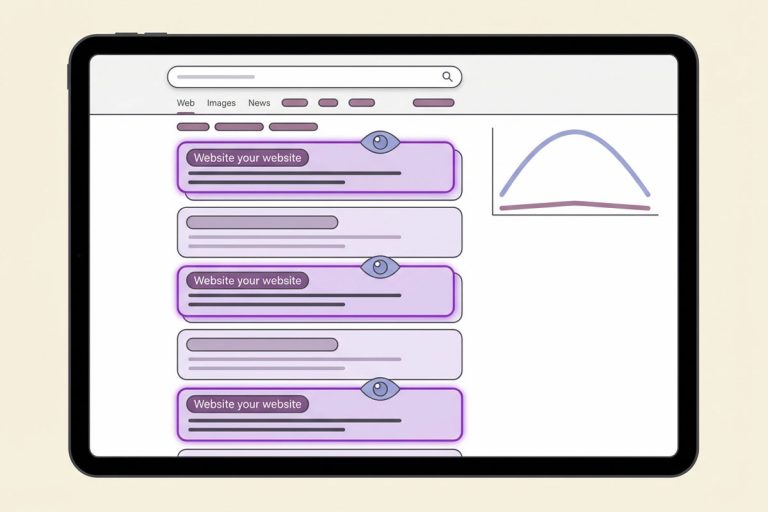
Answer Engine Optimization (AEO) is the strategic process of optimizing content to be discovered, cited, and recommended by AI-powered answer engines like ChatGPT, Google AI Overviews, Microsoft Copilot, and Perplexity. Unlike traditional SEO that focuses on ranking in search result listings, AEO structures content into retrievable chunks that AI systems can extract, synthesize, and present as direct answers to user queries. It prioritizes content authority, structured formatting, and semantic clarity to maximize citation probability in AI-generated responses.
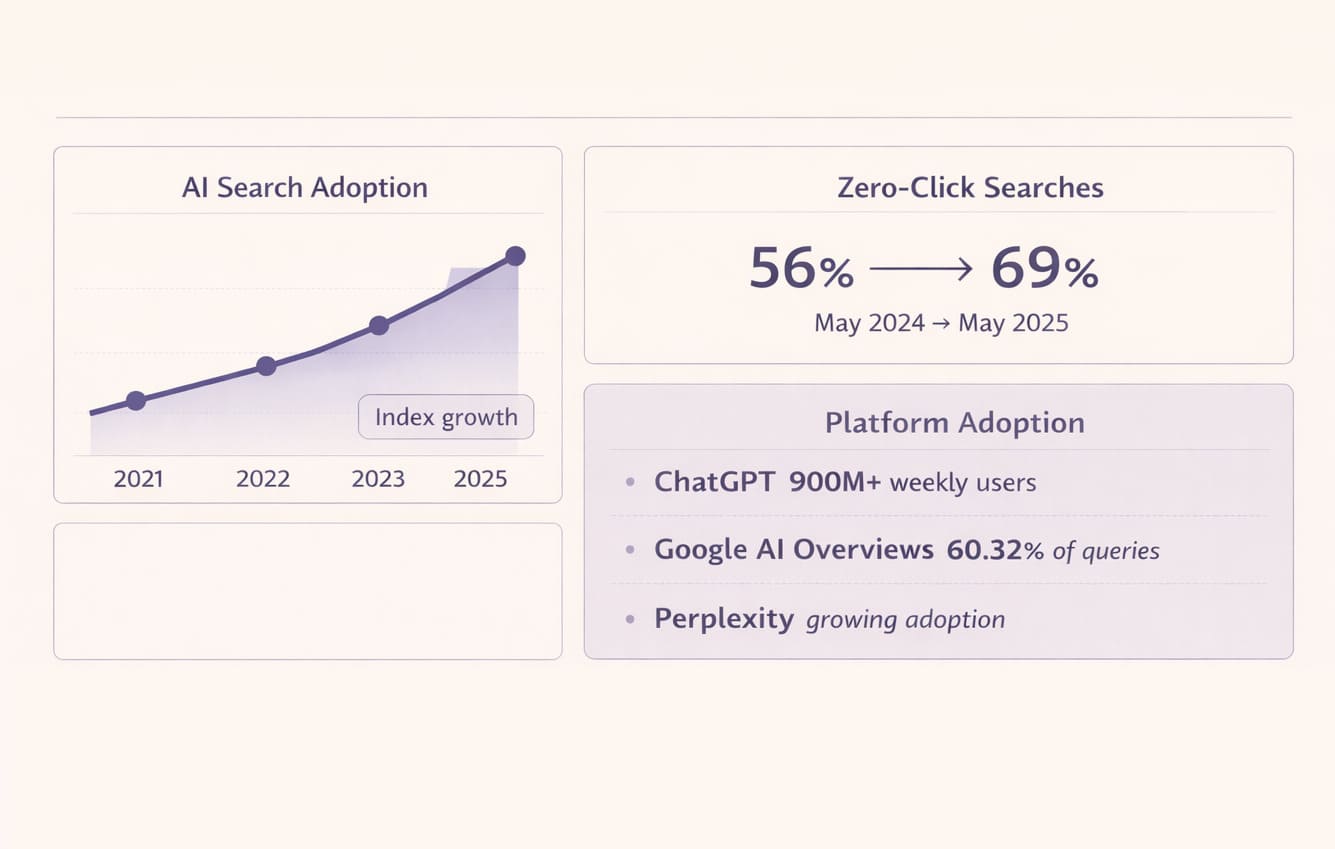
The shift is undeniable. ChatGPT has over 900 million weekly active users worldwide, while Google AI Overviews now appear in 60.32% of U.S. queries. At Lead-Craft, we’ve restructured content using AEO principles and tracked significant increases in AI citations across platforms. The results? Content that once competed for position one now competes to be the source AI systems trust and cite.

The Evolution from SEO to AEO
The journey from traditional SEO to Answer Engine Optimization didn’t happen overnight. Understanding this evolution helps explain why AEO has become essential for any serious content strategy.
Early 2000s: Keyword-focused SEO dominated. Success meant stuffing pages with target phrases and building backlinks at scale for Google, Bing, and DuckDuckGo.
2010s: Quality signals emerged. Google’s algorithm updates prioritized user experience, mobile optimization, and content depth over keyword density.
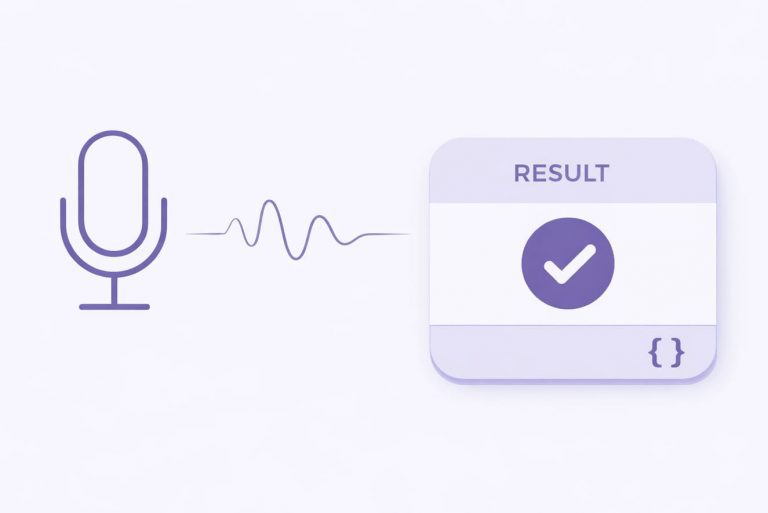
Late 2010s: Voice search changed the game. Alexa, Siri, and Google Assistant introduced conversational queries, forcing content creators to think about natural language patterns.
2020-2023: The AI explosion arrived. ChatGPT launched in November 2022 and reached 100 million users within 2 months of launch — the fastest-growing consumer app ever. Google scrambled to respond with AI Overviews (formerly Search Generative Experience).
2024-Present: AEO has become non-negotiable. Zero-click searches now make up almost 60% of Google searches. Users get answers directly on the search results page without ever clicking through to websites.
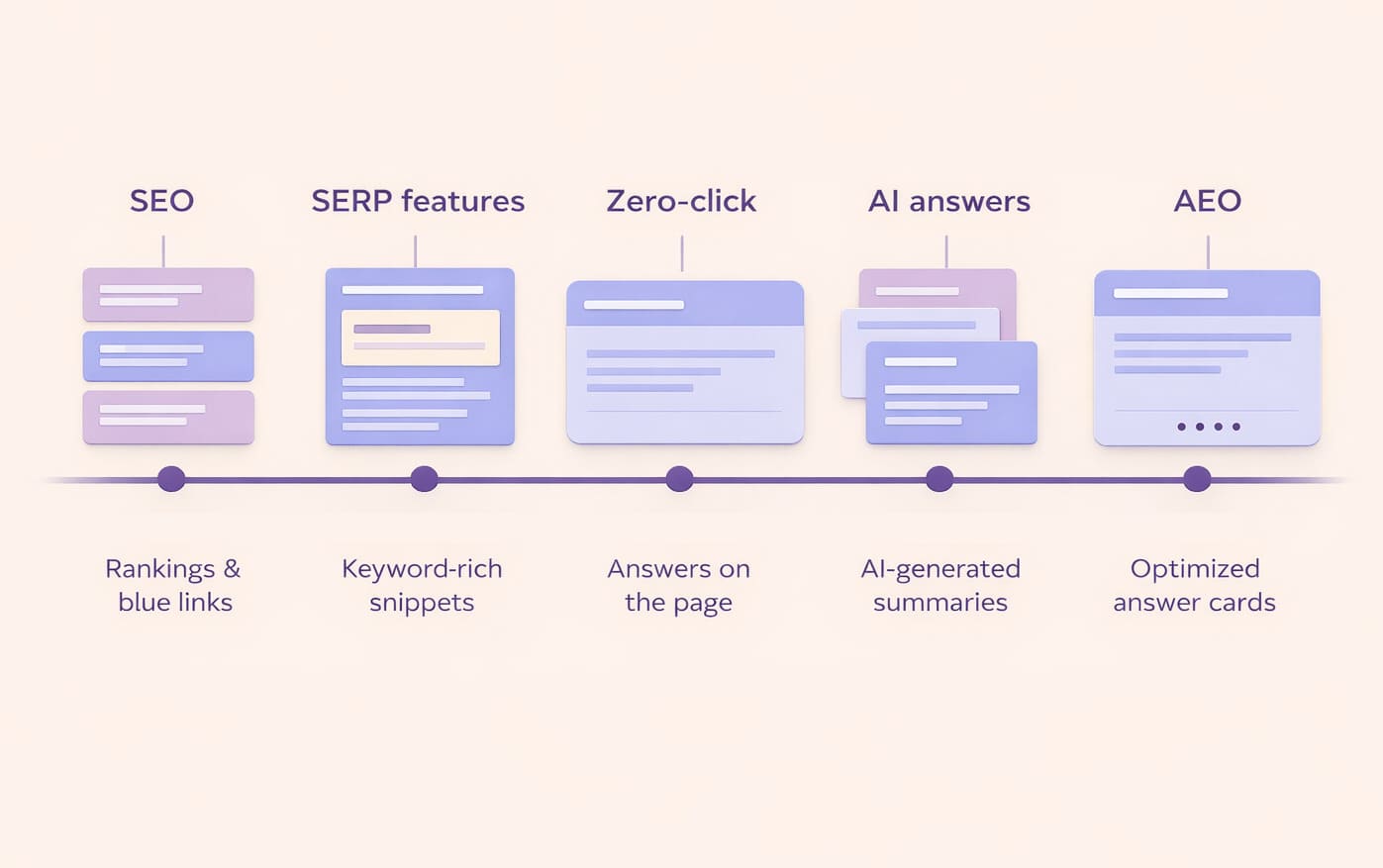
The strategy shift is clear: we moved from optimizing for “keyword visibility” repeated throughout pages to comprehensive semantic coverage that answers all related intents. The focus shifted from “what keywords to rank for” to “what users actually want to know.”
Key Differences Between AEO and Traditional SEO
Understanding the distinction between AEO and SEO is critical for adapting your content strategy. Here’s how they compare:
| Aspect | Traditional SEO | Answer Engine Optimization (AEO) |
|---|---|---|
| Optimization Focus | Page rankings (position 1-10) | AI citation probability |
| Target Platforms | Google, Bing, DuckDuckGo | ChatGPT, Google AI Overviews, Microsoft Copilot, Perplexity |
| Content Unit | Full pages (2,000-3,000 words) | Content chunks (50-150 words) |
| Success Metrics | SERP position, organic traffic, CTR | Citation frequency, answer inclusion rate |
| Content Structure | Comprehensive articles with keywords | Self-contained Q&A segments |
| Keyword Strategy | Target specific keywords with volume data | Semantic intent matching across question variations |
These approaches aren’t mutually exclusive. The best content strategies now incorporate both — maintaining SEO fundamentals while adding AEO structure. We’ve found that starting with AEO-optimized chunks and expanding with SEO depth delivers optimal results across both traditional and AI-powered search.
Content Chunk Optimization vs. Whole Page SEO
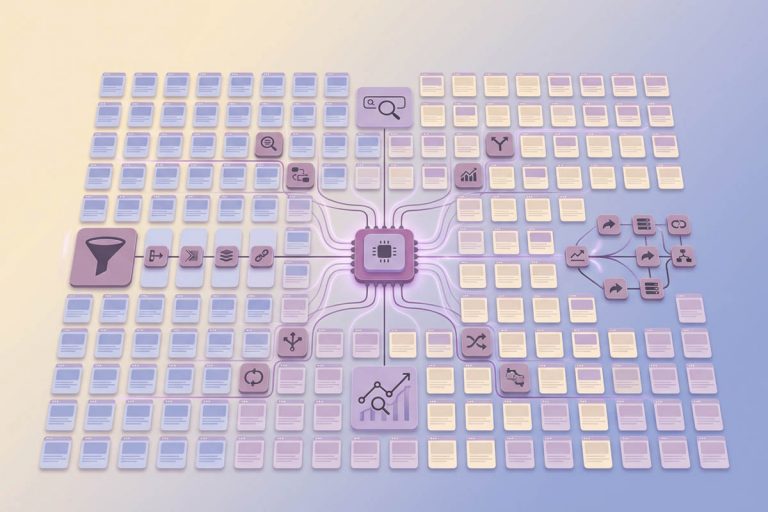
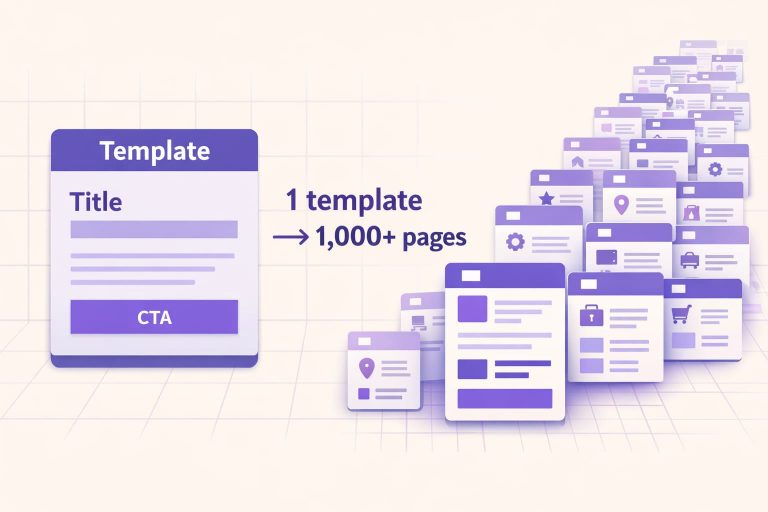
The fundamental shift in AEO is the optimization unit itself. Traditional SEO treats the entire webpage as the atomic unit. AEO treats individual content chunks — self-contained 50-150 word segments — as retrievable database records that AI systems can query.
Effective content chunks share these characteristics:
- Size: 50-150 words (optimal for AI extraction)
- Structure: Self-contained answer with full context
- Format: Question header + direct answer + supporting details
- Independence: The chunk makes complete sense when extracted from the page
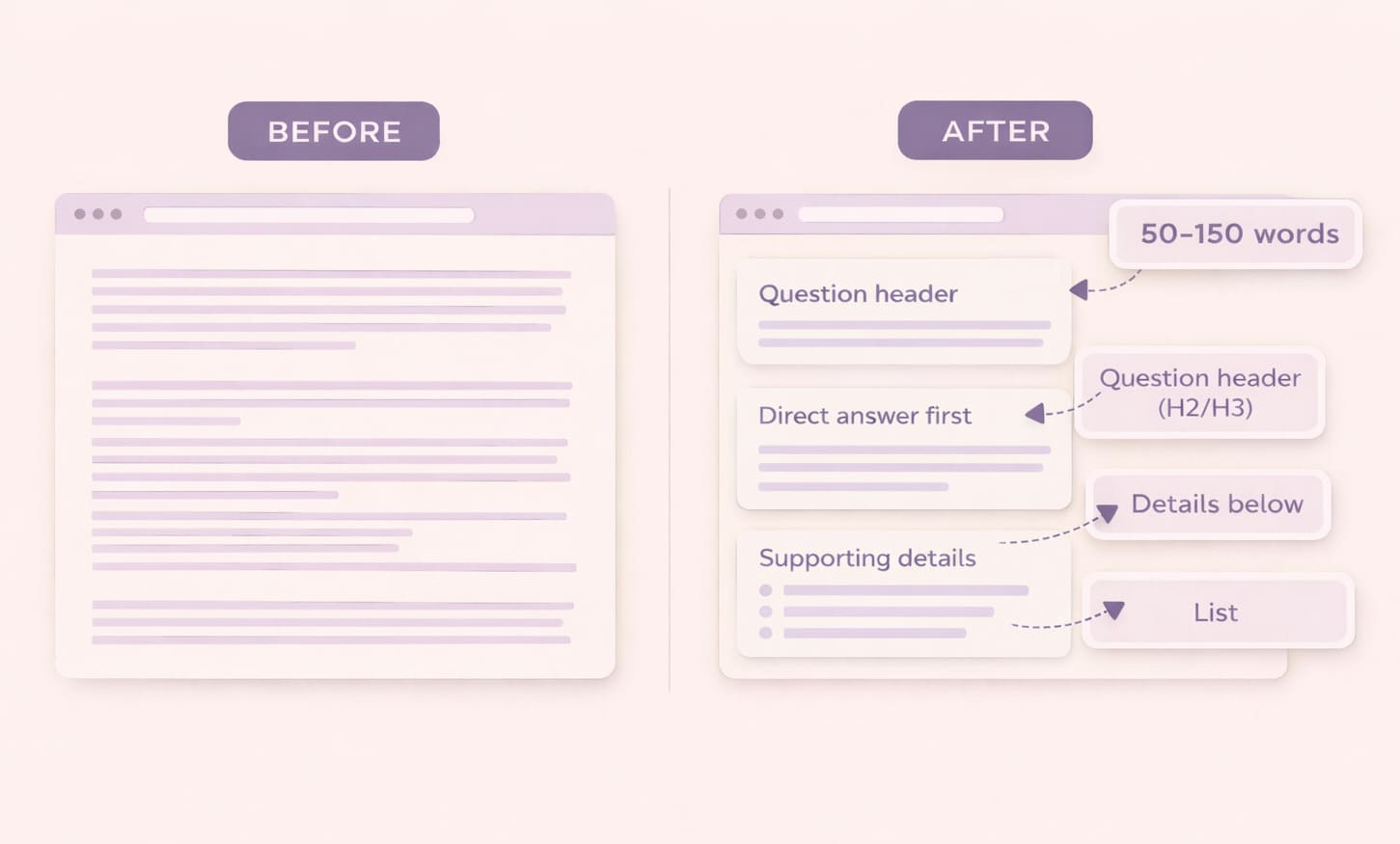
Here’s what this transformation looks like in practice:
Before (Traditional SEO Structure):
H1: Complete Guide to SEO Analytics [3,000 words of flowing content covering tools, metrics, and interpretation in narrative form]
After (AEO-Optimized Structure):
H1: Complete Guide to SEO Analytics
H2: What are SEO analytics? [75-word direct answer defining SEO analytics] [Supporting details and context]
H2: What tools measure SEO performance? [100-word direct answer listing specific tools] [Tool-specific implementation details]
H2: What metrics indicate SEO success? [80-word direct answer with key metrics] [Detailed metric explanations]
This restructuring dramatically improves AI retrieval rates. Each platform — ChatGPT, Perplexity, Google AI Overviews — can extract precisely the chunk that answers a specific query rather than parsing through thousands of words to find relevant information.
For businesses serious about implementing this approach systematically, Lead-Craft’s Generative Engine Optimization service provides entity-based content structuring and semantic relationship mapping that increases citation probability across ChatGPT, Google AI Overviews, Perplexity, and Microsoft Copilot.
Why Answer Engine Optimization Matters in 2025
The business case for AEO has never been stronger. AI search platforms have reached critical mass, user behavior has fundamentally shifted, and content visibility risks have increased dramatically for those who don’t adapt.
Since the launch of Google AI Overviews in May 2024, zero-click search grew 13 percentage points, from 56% to 69% in May 2025. Traffic patterns have shifted measurably: content cited in AI responses sees higher engagement metrics, while content absent from AI answers faces declining traditional search traffic.
Platforms like ChatGPT and Perplexity are surging in popularity. ChatGPT saw a 44% traffic boost in November 2024, and Perplexity reached 15 million monthly users in late 2024. Users are increasingly using these platforms to conduct research, understand news, and seek product recommendations — activities that previously drove traditional search traffic.
The zero-click challenge requires a strategic mindset shift. You can’t rely solely on website traffic for visibility anymore. Brand authority through AI citations becomes critical. The goal isn’t just to rank — it’s to be the source AI systems cite when generating answers.
The Rise of AI-Powered Search Platforms
Four major platforms are driving the AEO imperative:
ChatGPT (OpenAI): With its latest GPT-5 model, OpenAI remains at the forefront of the AI race, boasting over 900 million weekly active users. ChatGPT uses probabilistic generation from training data plus real-time web access for Plus/Enterprise users. Content with clear structure and authority signals gets cited more frequently. The platform favors comprehensive, authoritative, clearly attributed sources.
Google AI Overviews: According to the latest dataset from Advanced Web Ranking, Google AI Overviews now appear in 60.32% of U.S. queries. These AI-generated summaries display above traditional search results, synthesizing information from multiple sources. Content matching structured formats — especially pages with schema markup — appears in Overviews at significantly higher rates.
Microsoft Copilot: Integrated with Bing Search and the Microsoft 365 ecosystem, Copilot uses GPT-4 powered retrieval with real-time web access. It provides footnoted references with source links and favors authoritative, business-relevant, data-driven content. Enterprise-focused queries particularly benefit from content that includes case studies and specific metrics.
Perplexity: This AI-native search engine uses real-time web synthesis with inline source links. Unlike ChatGPT’s training data approach, Perplexity heavily weights recent, up-to-date content. Transparency in sourcing is paramount — content updated within 30 days has significantly higher citation rates.
Voice assistants — Alexa, Siri, Google Assistant — also operate as answer engines, pulling direct responses from authoritative sources. AEO principles apply equally to voice search optimization.
Probabilistic Responses vs. Ranked Listings
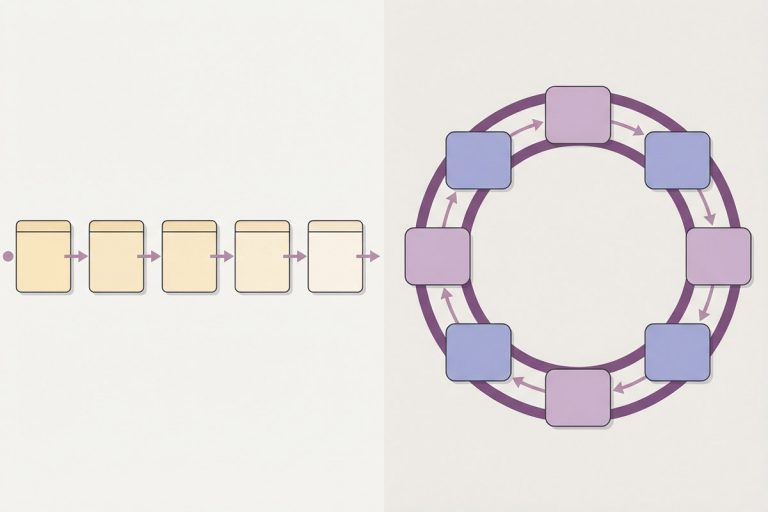
Here’s where AEO fundamentally differs from traditional SEO: AI-generated answers are probabilistic, not deterministic.
Traditional Google Rankings (Deterministic):
- Query “best SEO tools” returns the same ranked list to all users
- Position #1 provides consistent, predictable traffic
- Ranking changes are trackable with standard tools
- Clear performance metric: position 1-100
AI-Generated Answers (Probabilistic):
- The same query generates variable responses
- Different users may see different sources cited
- The same user asking again may receive different answers
- Context, conversation history, and platform version influence output
We’ve tested identical queries across ChatGPT, Perplexity, and Copilot multiple times. The result? Content gets cited in roughly 30-40% of responses — variable, never guaranteed. Some sessions cite our content prominently; others don’t mention it at all.
This variability requires a strategy shift. You can’t guarantee a specific “position” like in SEO. Instead, the goal becomes maximizing citation probability through superior content authority and clarity. You want to be the comprehensive, trustworthy source that AI prefers citing when generating responses.
Implications for measurement:
- Traditional metrics (rankings, traffic) provide incomplete pictures
- New KPIs emerge: citation frequency, mention rate, source inclusion percentage
- Tracking requires sampling: test queries repeatedly, measure citation rates over time
- Acceptance: visibility is probabilistic, not guaranteed — focus on maximizing probability
Frequently Asked Questions
What is answer engine optimization?
Answer Engine Optimization (AEO) is the process of optimizing content to be cited and recommended by AI-powered platforms like ChatGPT, Google AI Overviews, Microsoft Copilot, and Perplexity. It focuses on structuring content into retrievable chunks that AI systems can extract and present as direct answers, emphasizing authority signals and semantic clarity over traditional keyword optimization.
What is the difference between AEO and SEO?
SEO optimizes full pages for ranking positions in traditional search results, while AEO optimizes content chunks for AI citation probability. SEO targets Google, Bing, and DuckDuckGo; AEO targets ChatGPT, Google AI Overviews, Microsoft Copilot, and Perplexity. SEO measures rankings and traffic; AEO measures citation frequency and answer inclusion rates across AI platforms.
Why is answer engine optimization important?
AEO is critical because AI-powered search is rapidly transforming how users find information. Traditional search engine volume will drop 25% by 2026, according to Gartner. Zero-click searches now exceed 60% of queries, meaning users get answers without visiting websites. Optimizing for AI citation maintains content visibility and authority in this evolving landscape.
How does answer engine optimization work?
AEO works by restructuring content into self-contained 50-150 word chunks that answer specific questions directly. Content uses clear question headers, structured formatting (lists, tables), semantic clarity, and authority signals like E-E-A-T to increase the probability of AI retrieval and citation when users query AI platforms.
How to get started with answer engine optimization?
Start by restructuring existing content into Q&A format with clear headers. Create 50-150 word self-contained answer chunks with direct responses in the first sentences. Implement structured data markup (schema.org). Build content authority through author credentials and source citations. Test content across ChatGPT, Google AI Overviews, and Perplexity to monitor citation rates.
What are answer engines?
Answer engines are AI-powered platforms that provide direct answers to user queries rather than ranked link lists. Major examples include ChatGPT (OpenAI), Google AI Overviews, Microsoft Copilot, and Perplexity. They use large language models to synthesize information from multiple sources and present conversational, citation-backed responses.
What platforms use answer engine optimization?
AEO applies to ChatGPT (OpenAI), Google AI Overviews (Google Search), Microsoft Copilot (Bing integration), Perplexity (AI-native search), and voice assistants like Alexa, Siri, and Google Assistant. Any platform using AI to generate direct answers from indexed content benefits from AEO-optimized material.
How is AEO different from featured snippet optimization?
Featured snippet optimization targets a specific Google SERP feature with deterministic positioning — you either capture the snippet or you don’t. AEO targets multiple AI platforms with probabilistic citation systems. AEO requires broader content authority across platforms and chunk-based structuring, while snippet optimization focuses on single-query SERP positioning within Google alone.
What is content chunking in AEO?
Content chunking divides information into self-contained 50-150 word segments that answer specific questions independently. Each chunk includes a clear question header, a direct answer in the opening sentences, and supporting details below. This structure allows AI systems to extract and cite relevant information efficiently without parsing entire articles.
How do I measure AEO success?
Measure AEO success by tracking citation frequency across AI platforms (ChatGPT, Google AI Overviews, Perplexity), monitoring brand mentions in AI responses, analyzing answer inclusion rates through manual testing, and measuring traffic from AI referrals. Google Search Console now shows AI Overview impressions for some queries, providing additional visibility data.
What is zero-click search?
Zero-click search occurs when users get answers directly on the search results page without clicking through to websites. AI Overviews, featured snippets, knowledge panels, and direct answers create zero-click results. Zero-click searches now make up almost 60% of Google searches, making AEO essential for maintaining content visibility.
How does ChatGPT use my content?
ChatGPT synthesizes information from its training data and, in versions with web access, real-time searches to generate responses. It may cite your content as a source when answering relevant queries. Content authority (demonstrated expertise, clear attribution), structural clarity, and comprehensive coverage increase the probability of citation in ChatGPT responses.
What is Google AI Overviews?
Google AI Overviews (formerly Search Generative Experience/SGE) displays AI-generated summaries above traditional search results. It synthesizes information from multiple sources to answer queries directly, citing original sources with links. AI Overviews now appear in over 60% of U.S. queries, representing Google’s evolution toward answer engine functionality.
How does voice search relate to AEO?
Voice search through Alexa, Siri, and Google Assistant relies on answer engine principles to provide spoken responses. These platforms use AI to extract direct answers from content—they can only speak one answer, not present ten blue links. AEO’s focus on concise, structured, direct answers naturally optimizes content for voice search citation.
What is E-E-A-T in AEO?
E-E-A-T (Experience, Expertise, Authoritativeness, Trustworthiness) represents content quality signals that influence AI citation probability. Strong E-E-A-T through author credentials, demonstrated first-hand experience, accurate information, credible source citations, and expertise indicators increases the likelihood of AI platforms selecting and citing your content.
How does Perplexity cite sources?
Perplexity provides inline source citations with direct links to original content within AI-generated answers. It synthesizes real-time web information and attributes specific claims to sources, making citations transparent and clickable. Clear, authoritative content with strong E-E-A-T signals and recent publication dates increases Perplexity citation rates.
What is probabilistic response in AI search?
Probabilistic responses mean AI systems generate variable answers to identical queries based on context, user history, conversation flow, and model updates. Unlike deterministic SEO rankings where position #1 always appears first, AI citations aren’t guaranteed or consistent. Content authority and clarity increase citation probability but don’t ensure specific positioning.
How to optimize for Microsoft Copilot?
Optimize for Microsoft Copilot by creating authoritative, well-structured content with clear answers to specific questions. Use proper heading hierarchy (H1, H2, H3), implement schema markup, build E-E-A-T signals through credentials and citations, and focus on factual accuracy with supporting data. Copilot, powered by GPT-4 with Bing integration, prioritizes credible sources for business and enterprise queries.
 Share
Share
 X
X
 LinkedIn